


2026
After a Death: Important Documents and What Comes Next
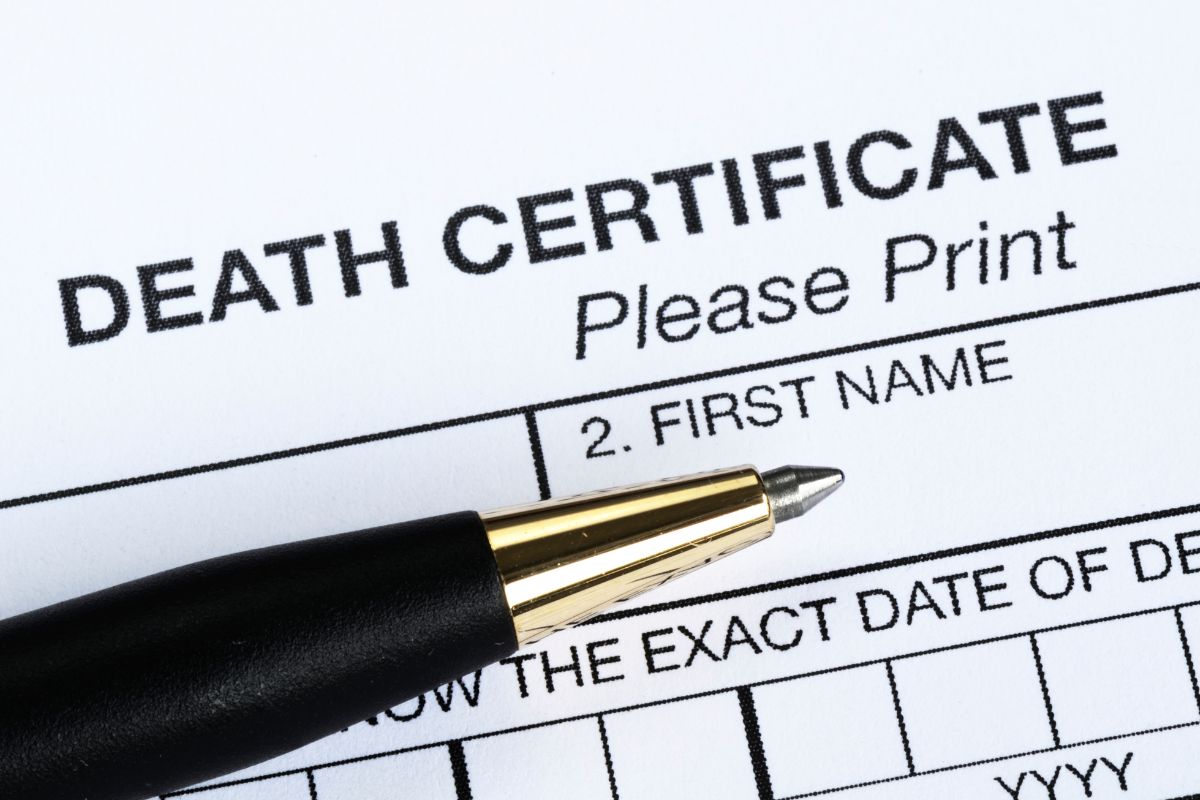
When someone dies, there are many practical matters that have to be dealt with at a time when family members are also grieving.
Some need attention right away. Others can wait. Knowing the difference—and knowing where to begin—can make the process considerably less overwhelming.
A good starting point is understanding some of the important documents you will encounter after a death.
The Medical Certificate of Death
The Medical Certificate of Death is completed by a physician, nurse practitioner or coroner and provides the medical information necessary to register the death.
Your funeral home works with the appropriate medical professional to obtain the information required so the death can be registered and the funeral or cremation arrangements can proceed.
This is primarily an administrative document and is different from the death certificate that families may need later.
The Death Certificate
Once the death has been registered, the funeral home will provide you with the official death certificates.
A death certificate provides legal proof of the death and may be required when dealing with banks, insurance companies, government agencies and other organizations.
You may need more than one, although many organizations will now accept a faxed or scanned copy rather than requiring an original. Your funeral director can help you determine what you are likely to need.
The Will
Locating the most recent will is another important early step.
The will identifies the executor responsible for administering the estate and may contain important information about the deceased’s wishes.
The executor will ultimately be responsible for dealing with the estate, which can involve everything from financial accounts and property to taxes, insurance, government benefits and outstanding debts.
For legal questions concerning the will, probate or administration of the estate, an estate lawyer or notary public should be consulted.
Other Important Information
The executor will also need to begin locating information about the deceased’s affairs. Depending on the individual, this could include:
- bank and investment accounts;
- insurance policies;
- pensions and government benefits;
- property and vehicle ownership;
- mortgages, loans and credit cards;
- tax records;
- utilities and household accounts;
- memberships and subscriptions; and
- online accounts and other digital assets.
Finding the documents is one thing. Figuring out what needs to be done with all of them is another.
The Paperwork Is Only the Beginning
This is where many families discover that settling an estate is much larger than they expected.
Which organizations need to be notified? Which accounts should be closed immediately and which should remain open? Are there benefits to apply for? What needs to be done about the deceased’s identification? How do you protect against identity theft? Which tasks need professional legal or accounting advice?
And perhaps most importantly: What needs to be done now, and what can wait?
A simple checklist can help, but every estate is different.
That is why Care and Comfort Cremations offers families Cadence Executor Assistant and Grief Care for $175.
A Personalized Guide Through the Estate
Cadence is an online estate-settlement tool that creates a personalized roadmap based on the circumstances of the person who has died.
After answering a series of questions, the executor receives a customized list of tasks rather than having to work from a generic checklist.
Cadence can help organize and guide you through such things as:
- notifying government agencies and other organizations;
- dealing with bank and financial accounts;
- pensions, insurance and benefit claims;
- closing accounts and subscriptions;
- protecting the deceased against identity theft;
- completing frequently required forms;
- keeping track of what has been completed and what still needs attention; and
- identifying situations where professional assistance may be required.
It also provides access to support when you have questions along the way.
The result is not that the executor no longer has work to do. Rather, you have a roadmap so you don't have to figure out the entire process on your own.
Support Beyond Estate Administration
Dealing with paperwork is only one part of what happens after someone dies.
Cadence also includes Grief Care, providing families with online grief resources and support that can be accessed privately and at their own pace.
We believe that combination is important. Families need practical help with everything that has to be done, but they also need time and space to grieve.
At Care and Comfort Cremations, our responsibility to a family does not necessarily end when the cremation is complete. For $175, Cadence provides both practical assistance for the executor and ongoing grief support for the family. If you have questions about cremation services or Cadence, please call us at (604) 260-2156.

Post a Reply